Quick answer: A payment gateway connects customer checkout with the payment-processing ecosystem. The right platform should balance security, customer experience, market coverage, cost, integrations, and the ability to reconcile gross sales, fees, refunds, and net deposits.
From Checkout to Bank Deposit
A typical flow looks like: Customer → Checkout → Payment Gateway → Payment Processor → Bank/Network → Business. The gateway helps transmit sensitive payment information securely and supports authorization.
Why a Secure Gateway Matters
- Protects payment information with appropriate security controls.
- Supports fraud screening and authentication.
- Makes familiar payment methods available to customers.
- Creates reporting needed for refunds, chargebacks, and reconciliation.
Eight Core Selection Criteria
- Security
- Total transaction cost
- Payment methods
- Countries and currencies
- Checkout experience
- Integration and APIs
- Payout timing
- Accounting and reconciliation
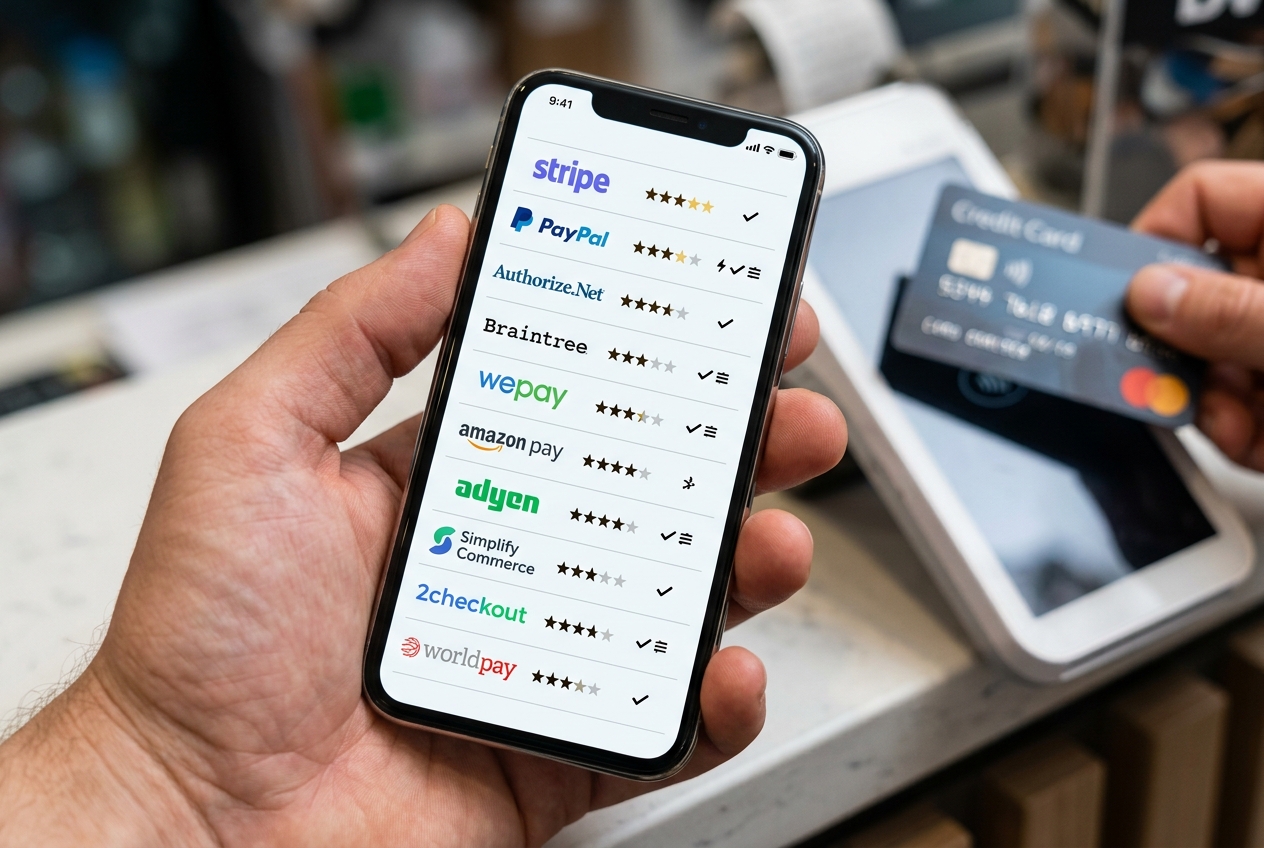
Popular Providers
Stripe
Strong for flexible integrations, custom checkout, recurring billing, and reporting.
PayPal
Useful where customer familiarity and broad consumer reach are priorities.
Authorize.Net
Relevant to U.S.-focused merchants seeking established gateway and fraud-management tools.
Braintree
Supports cards and wallets with integration flexibility.
Adyen
Designed for businesses needing international reach and unified online/offline payment capabilities.
2Checkout
Relevant to subscriptions and digital products sold across markets.
Amazon Pay
Can simplify checkout for product-led businesses with customers who prefer familiar wallet experiences.
Worldpay
Established international option with multiple payment methods and currencies.
The Bookkeeping Side of Payment Processing
Payment platforms can create a difference between gross sales and the amount that reaches the bank. Fees, refunds, chargebacks, reserves, currency conversion, and settlement timing all need to be considered. Bookkeeping tip: Reconcile gateway reports to bank deposits regularly. A clean workflow should explain gross revenue, processor fees, refunds, chargebacks, and the final net settlement.
For Non-U.S. Business Owners
Some U.S.-oriented payment providers may require a properly established U.S. business, EIN, business bank account, and supporting documentation. Do not use false addresses or unauthorized workarounds to bypass eligibility restrictions.
Final Thoughts
Choosing a payment gateway is both a technology and finance decision. Evaluate the complete payment lifecycle—from checkout through settlement and accounting—before committing.